Why Petrol Prices in Pakistan Fall More Slowly Than Oil Prices
Crude oil can drop quickly while the pump price barely moves. Here are the real reasons: timing, stock, exchange rates, taxes and fixed costs.
پاکستان میں پیٹرول کی قیمتوں، حساب اور اہم معلومات
Explore dated fuel-price entries, learn how to verify official notices, and estimate what your tank or journey may cost using your own figures.
The saved figures are older and may not apply now. The latest official publication and the price at the pump take priority.
These are figures saved on this independent site, not a live feed. Check the applicable product, effective date and price in the official notice and at the pump; premium fuel may vary by location.
Older price entry: This entry is at least a day old or has an unavailable date and may no longer apply. Check OGRA's latest notices before relying on a price.
| Fuel | Rs per litre | Since last revision |
|---|---|---|
| PetrolRegular, 92 RON | 377.00 | Down Rs 3.93 |
| Hi-Octane95 RON or higher, price varies by city | 415.00 | — |
| High-speed dieselTrucks, buses, tractors and cars | 393.66 | No change |
| Light diesel oilIndustrial and farm use | 275.24 | — |
| KeroseneHousehold heating and lighting | 330.96 | — |
Verify petrol and diesel with OGRA price publications; check other products with OGRA and the Petroleum Division. The notification covers 24 to 25 October 2026. Hi-Octane is quoted city by city by the oil marketing companies; the price shown is the standard PSO rate. How to read a fuel price notice.
Choose the fuel and enter the price you have verified. Both tools use your entered price, not the dated table above. Open more fuel tools.
Type an amount in either box and the other one updates.
پیٹرول ریلیف اسکیم کی رجسٹریشن، اہلیت اور ٹوکن کی رہنمائی
Our independent guide explains the relief scheme reported in official announcements. Availability, eligibility, limits and registration instructions can change; verify the current rules with the relevant government service before sharing personal information or sending an SMS.
Read a source-linked explanation of the announced process, eligibility and privacy precautions.
Read the scheme guideRead related articles, then check the current instructions with the official service before acting.
Read the guidesAn independent information site. It is not a government platform and cannot register you for anything.
Read the disclaimerStay safe. Never share your CNIC or personal details with unknown numbers or unofficial links. Confirm registration and token details through official government channels first.
Practical ways to check a notice, estimate costs and make better fuel decisions.
Calculate a trip, plan a monthly budget or compare vehicles using prices and mileage you choose.
Open fuel toolsLearn how to find an official announcement, read its effective date and identify outdated claims.
Read the notice guideMeasure mileage, build a practical estimate and understand why actual costs can differ.
Read the budgeting guideWhat to do before starting the engine and what to tell a recovery technician.
Read the safety checklistRefuel safely, keep a useful receipt and follow a factual complaint process.
Open the station guideFuel price news, relief scheme updates and plain-language guides.
Crude oil can drop quickly while the pump price barely moves. Here are the real reasons: timing, stock, exchange rates, taxes and fixed costs.
The petroleum levy is one of the biggest parts of a litre of petrol. Learn what it is, why governments use it and how a change shows up at the pump.
Oil is bought in dollars and sold in rupees. See, with simple worked examples, why a weaker rupee can raise your petrol price even when oil gets cheaper.
Twelve practical habits, from smooth acceleration to sensible speed, that can lower your petrol use without buying anything.
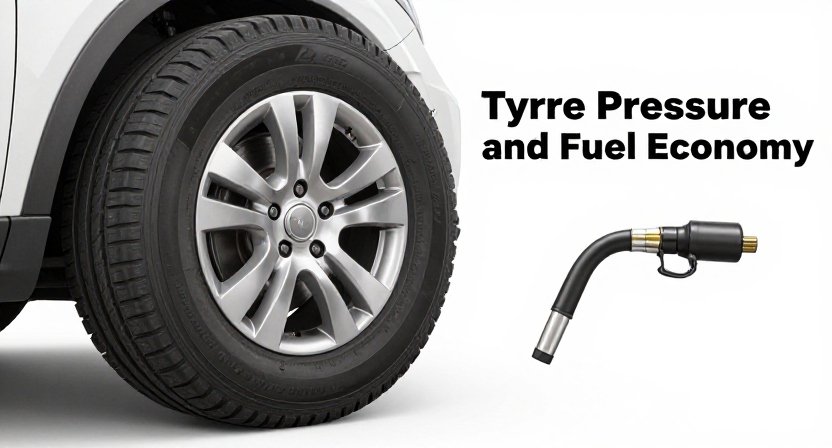
Under-inflated tyres quietly waste fuel and wear out faster. Learn how to check pressure correctly and what it can save over a year.
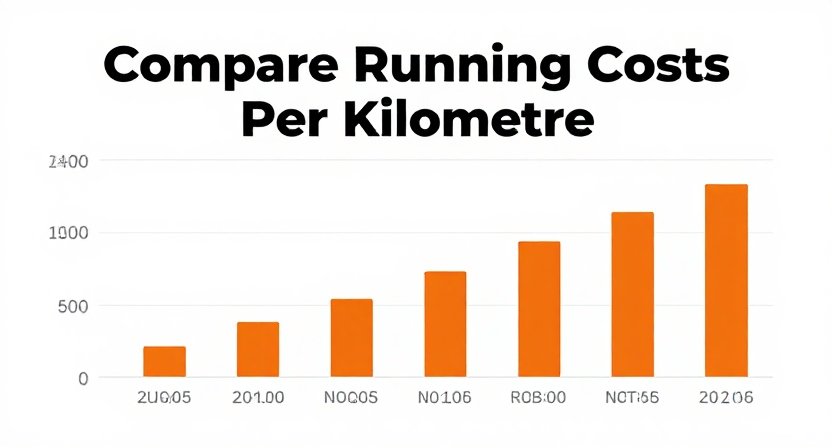
Prices per litre or per kilogram cannot be compared directly. Use this cost-per-kilometre method to compare fuels fairly, with worked examples.
Written for people who buy fuel every week and want to understand the price, not just see it.
The number on the pump is a sum of several parts. Some follow the market, others are set by policy.
Fuel is one of the few costs that almost every household and business in Pakistan feels, yet the way its price is set is rarely explained in plain language. This guide covers how the price is decided, why it changes, how to choose the right fuel, and how to spend less on it.
Pakistan depends heavily on imported crude oil and refined fuel, so the price of petrol at your local pump begins with prices set in international markets. From there, a series of steps turns a global price into one number that appears on pump boards across the country.
The Oil and Gas Regulatory Authority (OGRA) prepares the working behind each revision. It estimates what a litre of fuel costs once it has been brought into Pakistan, using international benchmark prices, shipping costs and the exchange rate between the rupee and the US dollar. The federal government then approves the final prices, including the rate of the petroleum levy and any other charges, and publishes them in an official notification.
Each price publication carries an effective date. The petrol and diesel prices in OGRA’s 7 November 2026 publication exclude secondary freight from depot to pump, so retail prices can differ by location. Check the current publication and the posted pump price.
How often prices are revised has changed over time; do not assume a fixed revision schedule. The most reliable way to know the current price is to look at the effective date on the latest notification, and to treat any older figure in a screenshot or a forwarded message with caution.
The number on the pump is a sum of several parts. Understanding them helps you see why the price can move even when the oil price in the news looks steady.
This is the cost of the fuel itself, whether it is imported ready to use or refined locally from imported crude. It is the part most closely tied to world markets and to the value of the rupee. When the rupee weakens against the dollar, the same cargo costs more rupees to buy, even if its dollar price has not changed.
Fuel arrives at the port first, then travels to depots across the country. The inland freight equalisation margin, shortened to IFEM, pools part of the transport cost. It does not necessarily cover secondary freight from a depot to an individual pump, so prices may vary by location.
Oil marketing companies earn a margin for storing and distributing fuel, and the pump owner earns a dealer margin for selling it to you. Both are set as a rupee amount per litre, and the government reviews them from time to time.
The petroleum levy is a per-litre charge added by the government, and it is one of the main ways public revenue is raised from fuel. A climate support levy has also been applied to petroleum products. Because these are policy decisions, their rates can be changed in the federal budget or by notification. That means the government's share of the price can rise or fall without any change in world oil prices.
When a revision is announced, the change usually comes from a mix of four things.
Reading these together explains most announcements. If the price rises while crude oil has fallen, look at the exchange rate and the levy. If the price falls by less than you expected, the levy or the timing is the likely reason. Each revision on this site is dated so that you can compare it with the one before.
The right fuel is the one your manufacturer recommends. Paying more for a different grade does not improve a vehicle that was not designed for it.
Regular petrol has an octane rating of 92 RON. The octane rating measures how well fuel resists igniting too early under pressure inside the engine, a fault known as knocking. Most motorcycles, rickshaws and everyday family cars are built for this grade and run properly on it.
Hi-Octane carries a higher rating, commonly 95 RON or more. It is meant for engines with high compression or turbocharging that specifically call for premium fuel, which you can confirm in the owner's manual or on the fuel cap. In an engine designed for regular petrol, Hi-Octane brings no meaningful gain in power or mileage, so the extra cost is usually wasted. Using a lower grade than the manual requires is the opposite risk: it can cause knocking, which over time can damage the engine.
Diesel engines ignite fuel by compression rather than by a spark, and diesel is rated by cetane number instead of octane. It is used in trucks, buses, tractors and many SUVs and pickups. Petrol and diesel cannot be swapped. If you put the wrong fuel into the tank, do not start the engine. Switch off the ignition, tell the pump staff, and have the tank drained. Starting the engine spreads the wrong fuel through the system and makes the repair far more expensive.
Most pumps deal honestly, but a few habits protect you from the ones that do not.
If you believe a pump is charging above the notified price, giving short measure or selling poor-quality fuel, note the pump's name, location, the time and the dispenser number, and report it to OGRA or the district administration. A specific, dated complaint is far easier to act on than a general one.
Fuel is a monthly expense you can reduce without travelling less. The habits below apply to almost every vehicle, and the extra tips that follow are specific to what you drive.
Keep the chain clean, lubricated and correctly tensioned, since a dry or loose chain wastes power. Avoid riding with the clutch partly pulled in, and shift up smoothly instead of holding low gears at high engine speed. Remove unneeded loads, and have the fuel system checked if mileage drops suddenly.
Take out heavy items you do not need from the boot, and remove roof racks when they are not in use, because weight and wind resistance both raise consumption. Use the air conditioning sensibly: at low speeds an open window is often cheaper, while at highway speeds the air conditioning is usually the better choice.
For vehicles that run all day, small losses add up fast. Plan routes to avoid known jams, keep the engine tuned, and do not overload the vehicle beyond what it is built to carry, which strains the engine and raises fuel use per kilometre.
The simplest way to know whether any of this works is to measure it. Fill the tank completely, note the odometer reading, and repeat at the next full fill. Divide the distance travelled by the litres added to get kilometres per litre. Enter that number in the trip calculator above to see what a journey will cost at your entered price. A sudden drop in your figure is an early warning that the vehicle needs attention.
Many Pakistani drivers convert their vehicles to run on compressed natural gas (CNG) or liquefied petroleum gas (LPG), mainly to lower the cost per kilometre. Whether it makes sense for you depends on how much you drive and on a few trade-offs.
One safety point matters above the others: household LPG cylinders are not meant for vehicles. Using one in a car is a serious fire and explosion risk. If you want LPG in a vehicle, use a proper autogas system fitted by a certified installer.
Petrol vapour ignites easily, so a few simple rules at the pump matter.
Official notifications can look dense, but you only need to look for a handful of items.
When a price is shared on social media or a messaging app, look for the date and the source. Old notifications are often forwarded as if they were new, and they cause real confusion at pumps.

Usman
Author and publisher, Relief Petrol
Hello, I am Usman, a web developer, and I run Relief Petrol. I started this website because many people in Pakistan were confused by fuel price announcements and by the Petrol Relief Scheme: what had changed, why it had changed and what it meant for their own tank or motorcycle.
Relief Petrol is an independent information website. It is not a government website and is not connected to OGRA or any oil marketing company. Here you will find dated fuel price entries, calculators, plain-language guides on how petrol is priced, tips for saving fuel, and information about the relief scheme. Verify prices and scheme rules using the linked official sources.
I check prices against the official notification and correct mistakes when readers point them out.
✉ contact@reliefpetrol.comRead more on the About Us page.
Official notices set out the applicable price for regulated products. Check the product, location and effective date in the current notice and at the pump. Premium petrol may be priced separately and vary by location.
The schedule can change. Check the date and effective period in the latest official notification rather than assuming a fixed revision day.
Hi-Octane has a higher octane rating, usually 95 RON or above, compared with 92 RON for regular petrol. Check your vehicle manual: most motorcycles and everyday cars run well on regular petrol.
It is a per-litre charge the government adds to fuel. Its rate is part of every price announcement and is one of the main parts of the pump price that is set by policy rather than by the market.
The table shows the latest figures entered on this independent website and their stated effective date. It is not a live feed; confirm the applicable price with the official notification and at the pump.
No. Relief Petrol is an independent information website. It is not connected to the Government of Pakistan, OGRA or any oil marketing company.